The Hidden Risk in Your Fast-Track Code
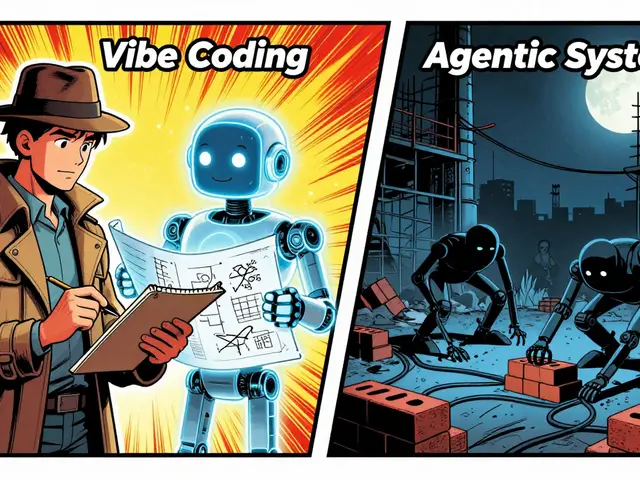
You type a prompt. An AI agent writes the code. You push it to production. This is vibe coding, defined as rapid application development using AI assistants without traditional software development gatekeeping processes. It feels like magic. But there is a catch. That magic happens outside your usual security pipelines. When you skip the DevSecOps checks, you create a governance gap where authorization logic is often half-baked or completely missing.
The problem isn't just that the code might be buggy. The problem is that the AI agent itself has keys to the kingdom. If you are not careful, your vibe-coded app becomes a backdoor for data leaks. We need to talk about how to lock down these tools before they lock you out-or worse, let hackers in.
Why Traditional Access Control Fails Here
In traditional development, you have gates. You have peer reviews. You have CI/CD pipelines that scan for vulnerabilities. In vibe coding, those gates often vanish. Guidepoint Security points out a critical difference: professional environments use centralized repositories with visibility, while vibe coding often relies on local files or random folders. This lack of visibility means your security team has no idea what code exists or how it accesses data.
More importantly, AI-generated code struggles with complex logic. Invicti’s security research shows that authorization logic is especially vulnerable to hallucinations and partial implementations in AI-generated code. An AI might write a login page that looks perfect but forgets to check if User A is allowed to view User B’s profile. This is known as Broken Object Level Authorization (BOLA). It is one of the most common ways apps get hacked, and AI tools are surprisingly bad at preventing it by default.
Locking Down Authentication First
Before you worry about who can see what, you must ensure only logged-in users can reach your app at all. Many developers make the mistake of letting the AI generate authentication logic. Do not do this. Authentication is too risky to leave to chance.
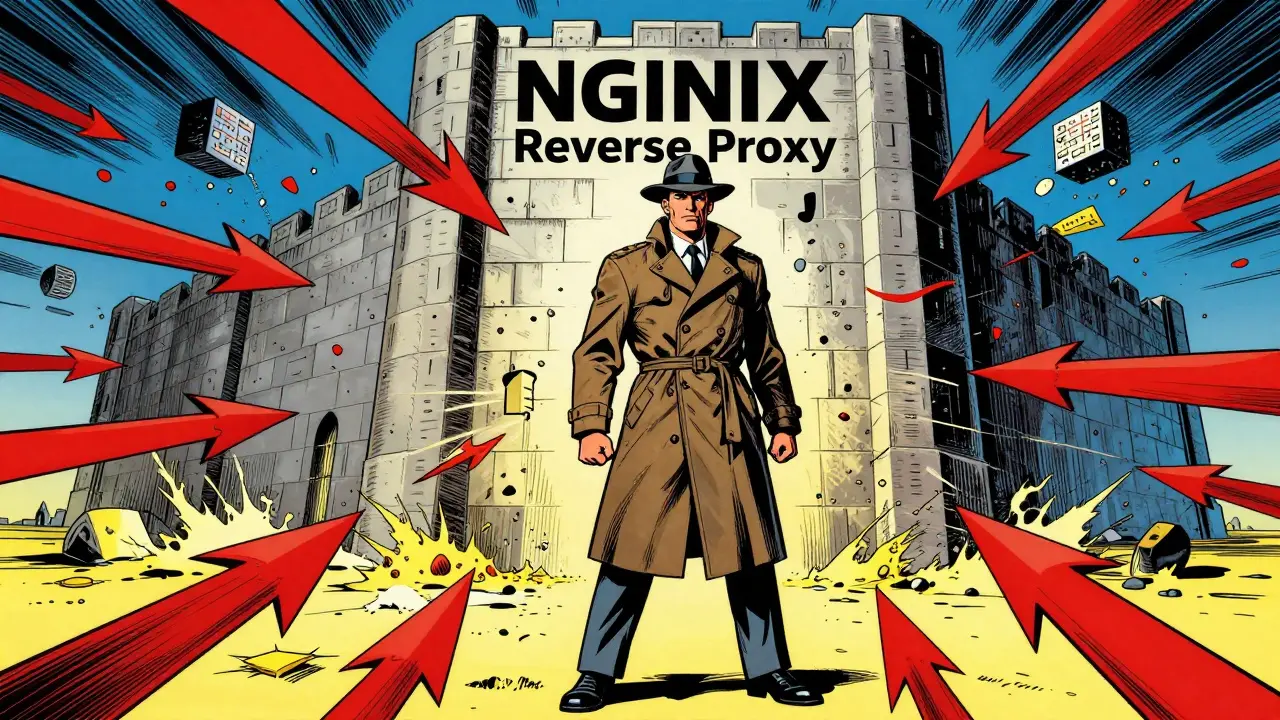
Instead, enforce authentication at the network level. Use a reverse proxy like NGINX, which acts as a robust web server and reverse proxy that sits in front of applications to handle traffic and security. Configure NGINX to block any unauthenticated request before it even touches your backend code. As security experts note, a non-authenticated request should not trigger a single line of your application code. By moving this logic out of the AI’s hands and into your infrastructure, you remove a massive attack surface.
- Block direct access: Ensure unauthenticated requests cannot reach backend endpoints directly.
- Use established libraries: Do not ask AI to write custom auth from scratch. Use proven frameworks.
- Validate at runtime: Check authentication behavior when the app is running, not just in static code reviews.
Managing Repository Scope and Visibility
If you cannot see the code, you cannot secure it. The "random folder" approach to vibe coding creates a black hole for security teams. To fix this, you must bring vibe coding into the light. This means enforcing repository scope policies that require all AI-generated code to live in tracked, centralized repositories.
But simply having a repo isn’t enough. You need to govern the prompts that create the code. Think of prompts as source code. They need version control, review, and policy enforcement. Successful organizations are publishing security policies in places the AI can actually read-like README files or `.coderules` configuration files. This puts your security standards into the AI’s context window from the very first line of code generated.
By embedding policies directly into the development environment, you shift from being a gatekeeper to an enabler. You are not saying "no" to speed; you are ensuring that speed doesn’t compromise safety. This approach ensures that every piece of vibe-coded content adheres to your organization’s data privacy standards before it ever leaves the developer’s machine.
Data Privacy and Secrets Management
AI tools love to copy-paste. They also love to accidentally expose secrets. If you paste an API key into a chat window, or if the AI generates code that hardcodes credentials, you have a major leak. Secrets management is a non-negotiable technical guardrail.
You must encrypt sensitive data both in transit and at rest. Use strong algorithms like AES-256 for data at rest and HTTPS for data in transit. But encryption alone isn’t enough. You need to manage Cross-Origin Resource Sharing (CORS) carefully. AI tools often generate permissive CORS settings, using wildcards (`*`) that allow any domain to access your data. This is dangerous. Always restrict CORS to trusted domains only. Double-check the settings generated by AI tools to ensure they are restrictive and secure.
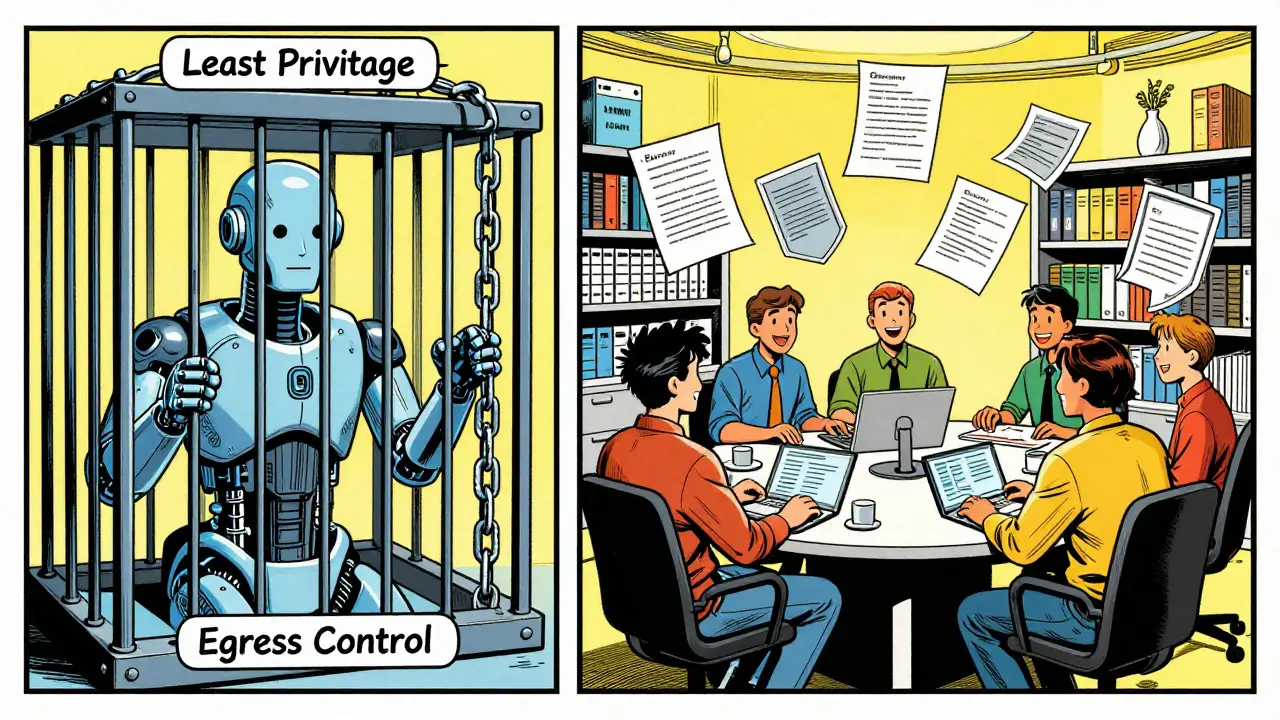
Furthermore, implement strict egress policies. AI coding agents like Claude Code or GitHub Copilot operate inside your CI/CD pipelines with significant privileges. They can install dependencies and contact external endpoints. If an agent is compromised, it could exfiltrate credentials. Block unauthorized outbound traffic at the DNS and network layers to prevent this. Treat AI-generated code as untrusted by default until it passes rigorous testing.
| Feature | Traditional DevSecOps | Vibe Coding (Unsecured) | Secured Vibe Coding |
|---|---|---|---|
| Code Location | Centralized Repository | Local Files / Random Folders | Tracked Repos with Policy Files |
| Authentication | Integrated Frameworks | AI-Generated (Risky) | Reverse Proxy (e.g., NGINX) |
| Authorization | Manual Review + Tests | Hallucinated Logic | RBAC Prompts + Runtime Validation |
| Secrets Handling | Vault Integration | Hardcoded in Chat/Code | Env Vars + Egress Blocking |
| CORS Settings | Strict Domain Whitelists | Wildcard (*) Default | Explicit Trusted Domains Only |
Controlling AI Agent Privileges
We need to talk about the agents themselves. Tools like GitHub Copilot, Copilot Workspace, which is an AI-powered coding assistant that integrates directly into development workflows. and others now operate with `GITHUB_TOKEN` privileges. They can create branches, push commits, and install dependencies autonomously. This is powerful, but it is also terrifying if left unchecked.
You cannot see what processes an AI agent spawns or what endpoints it contacts at runtime. This opacity is a huge risk. To mitigate this, apply the principle of Least Privilege. Grant users-and AI agents-only the permissions necessary to perform their specific tasks. Do not give every agent admin access. Implement review gates for sensitive functions like authentication and cryptography. These functions should never be fully automated without human verification.
Additionally, monitor the supply chain. AI agents install packages. Some of those packages might be malicious. By blocking unauthorized outbound traffic, you prevent agents from downloading harmful dependencies or leaking source code to unknown servers. This is especially critical for agents operating in cloud environments like GitHub Actions, where network firewalls are often minimal.
Building a Governance Culture
Technology alone won’t save you. You need a culture that values security without stifling innovation. CISOs who succeed in vibe coding environments focus on three areas: technical guardrails, AI-specific controls, and prompt governance. They understand that developers want speed. Instead of fighting that desire, they embed security into the workflow.
This means repeating and reminding. Don’t assume developers will read a Confluence page buried deep in your wiki. Put security guidance where the AI looks. Make it part of the conversation from the start. When you treat prompts like code and policies like requirements, you build a system that is both fast and safe. You enable your team to vibe code with confidence, knowing that their data privacy and repository scope are protected.
What is the biggest security risk in vibe coding?
The biggest risk is the lack of visibility and governance. Because code is often generated locally and pushed quickly, security teams miss critical flaws like broken object-level authorization (BOLA) and hardcoded secrets. Additionally, AI agents often operate with excessive privileges in CI/CD pipelines, creating potential backdoors.
How do I secure authentication in AI-generated apps?
Do not rely on AI to generate authentication logic. Instead, enforce authentication at the infrastructure level using a reverse proxy like NGINX. This ensures that unauthenticated requests are blocked before they reach your application code, reducing the risk of AI hallucinations causing security gaps.
Why is repository scope important for vibe coding?
Repository scope ensures that all code is visible and trackable. Without centralized repositories, security teams cannot audit code or enforce policies. By requiring all vibe-coded projects to live in tracked repos with embedded policy files (like .coderules), you maintain oversight and compliance.
How can I prevent AI agents from leaking secrets?
Implement strict egress policies to block unauthorized outbound traffic from AI agents. Use environment variables for secrets rather than hardcoding them. Encrypt data in transit and at rest, and regularly audit AI-generated code for exposed credentials or overly permissive CORS settings.
What is the principle of least privilege in this context?
It means granting users and AI agents only the minimum permissions needed to perform their tasks. For example, an AI coding agent should not have admin rights to your entire repository. Limiting privileges reduces the impact of a potential compromise or malicious action by the agent.