Imagine building a sophisticated engine but refusing to tell anyone what fuel it burns. That’s been the norm in artificial intelligence until recently. But as of January 1, 2026, that secrecy is no longer an option for developers serving Californians. AB 2013, also known as the Transparency in Frontier Artificial Intelligence Act, has officially entered into force, marking a pivotal shift in how we view generative AI systems. This isn't just another bureaucratic checklist; it’s a fundamental change in the relationship between tech companies and the public.
If you’re developing or deploying large language models (LLMs) or image generators, this law affects your bottom line and your legal risk profile. The core mandate is simple on paper but complex in practice: you must disclose the high-level summary of the datasets used to train your model. Why does this matter? Because knowing whether a model was trained on copyrighted books, public domain texts, or scraped social media data tells users exactly how reliable-and legally safe-that output might be.
What Exactly Is Required Under AB 2013?
The law doesn’t ask you to dump terabytes of raw text onto your website. Instead, it demands a structured, high-level summary. Think of it like a nutrition label for your AI model. You don’t need to list every single ingredient molecule by molecule, but you do need to state if it contains gluten, sugar, or allergens. For generative AI, those "allergens" are copyright issues, personal data, and synthetic content.
California AB 2013 applies to any developer who designs, codes, produces, or substantially modifies a generative AI system released after January 1, 2022, and made available to people in California. Whether your service is free or paid, if it generates text, images, video, or audio, you are likely in scope. The documentation must be published on your public website and updated whenever you make significant changes to the model or its training data.
Here is the specific breakdown of the twelve categories of information you must disclose:
- Sources and Owners: Where did the data come from? Who owns it?
- Data Volume: How many data points were used? Use ranges if exact numbers are proprietary.
- Data Types: Is it text, code, images, audio, or multimodal?
- Intellectual Property: Does the dataset include copyrighted material, trademarks, or patents?
- Personal Information: Was personally identifiable information (PII) included?
- Collection Period: When was the data collected? Is collection ongoing?
- Development Dates: When was the dataset first used in development?
- Purpose Alignment: How does the dataset relate to the system’s intended use?
- Licensing Status: Is the data licensed, open-source, or public domain?
- Synthetic Data: Did you use AI-generated data to train the AI?
- Consumer Data: Did you use aggregate consumer information?
- Third-Party Sources: Did you buy or license data from external partners?
The Tension Between Transparency and Trade Secrets
For years, AI labs treated their training data mixtures like Coca-Cola’s secret formula. If you knew exactly which blogs, forums, and encyclopedias went into Model X versus Model Y, you could reverse-engineer their competitive advantage. Proprietary datasets represent billions of dollars in R&D investment. Disclosing them feels risky because competitors could replicate your success without doing the heavy lifting.
This is where the strategy comes in. Most major developers have adopted a "high-level generalization" approach. They aren’t listing every URL they crawled. Instead, they categorize sources broadly. For example, a disclosure might read: "The model was trained on publicly available web pages, licensed news articles, and user-generated content from our platform." This satisfies the statutory requirement for a "high-level summary" while protecting the specific curation logic that makes the model unique.
Legal experts advise caution here. Don’t inadvertently reveal trade secrets by being too specific. If you say you used "Reddit comments from r/technology," you’ve given away a piece of your data strategy. Saying you used "social media discussions" keeps you compliant but vague enough to protect your edge.

Who Has to Comply? And Who Gets a Pass?
Not every AI tool needs to publish a data sheet. The law targets generative AI, defined as systems capable of producing synthetic content based on training data. If your software simply filters spam or recommends movies using rule-based logic, you’re likely off the hook. However, if your app uses a transformer-based model to write emails or create art, you’re in.
There are specific exemptions. Systems designed exclusively for security, system integrity, aircraft operation, or national defense are excluded. These sectors already operate under strict confidentiality regimes, and forcing public disclosure there could compromise safety or security protocols.
It’s also crucial to understand the retroactive nature of the law. It applies to systems released or substantially modified since January 1, 2022. If you launched a beta version in 2023 and haven’t updated your disclosures yet, you are currently out of compliance. The deadline for initial publication was January 1, 2026, so if you missed it, you need to act immediately.
Real-World Challenges: Verifiability and Fatigue
Writing a disclosure is one thing; making it useful is another. Researchers at Stanford and other institutions have raised valid concerns about "disclosure fatigue." If every AI company dumps a PDF full of jargon on their homepage, will anyone actually read it? Probably not.
To combat this, regulators and industry leaders are pushing for standardization. Imagine a future where all AI disclosures follow a uniform template, similar to how food labels look the same across brands. This would allow consumers to compare Model A against Model B instantly. Until then, clarity is key. Avoid technical fluff. If your model uses "synthetic data augmentation," explain what that means for the average user-perhaps noting that some examples were generated by AI rather than humans.
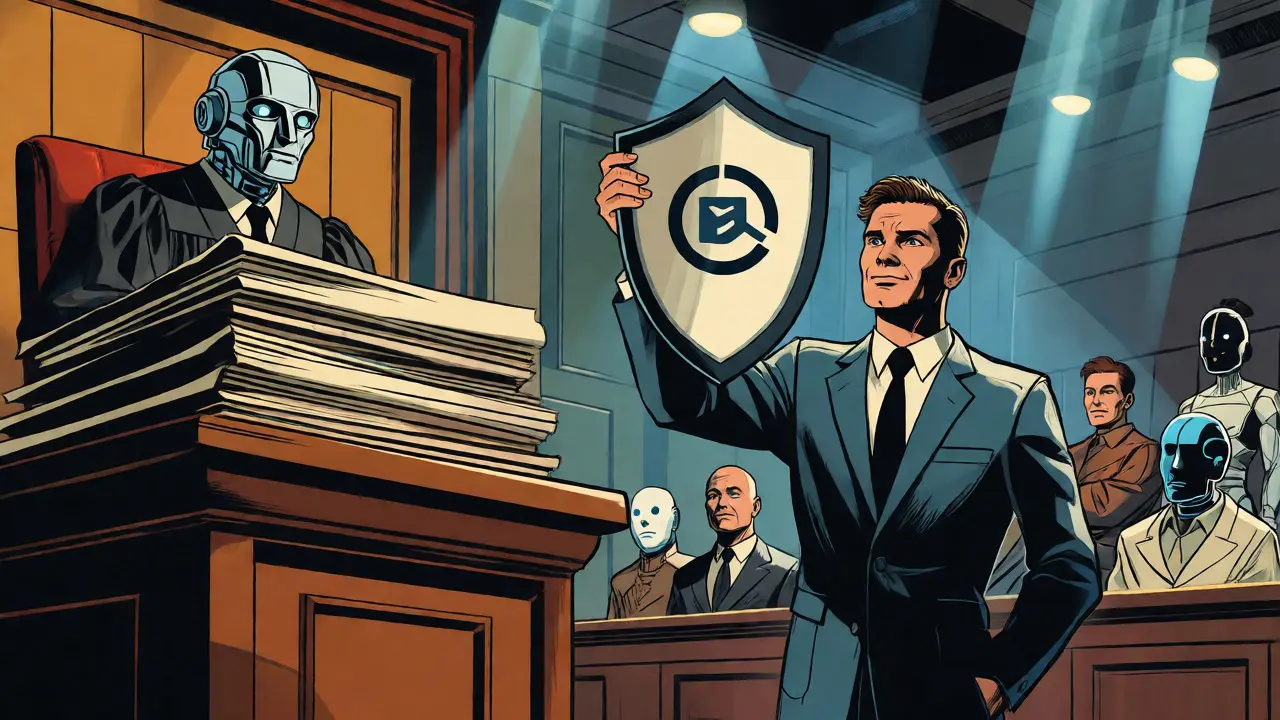
Another challenge is verifiability. Can a regulator actually check if you’re telling the truth? Right now, enforcement relies heavily on self-reporting. However, with lawsuits emerging, this may change. xAI, the developer behind Grok, filed a federal lawsuit challenging AB 2013. They argue that forced disclosure violates the Fifth Amendment by compelling speech and potentially exposing trade secrets. While this case plays out, assume the law stands and prepare accordingly. Betting on a repeal is a risky business strategy.
Strategic Steps for Compliance
How do you move from panic to peace of mind? Follow this roadmap:
- Audit Your Data Lineage: Map every source that feeds into your training pipeline. Include third-party vendors and internal user data.
- Categorize Broadly: Group your sources into the required buckets (e.g., "Public Web," "Licensed Media," "User Input").
- Draft the Summary: Write clear, plain-language descriptions. Avoid legalese where possible.
- Review for Trade Secrets: Have legal counsel review the draft to ensure you aren’t revealing proprietary filtering methods or unique dataset combinations.
- Publish and Monitor: Post the document on a dedicated "Transparency" or "About" page. Set up alerts for when you launch new model versions, triggering an update to the document.
Consider creating a comparison table for your own internal reference before publishing. This helps you see gaps in your knowledge.
| Strategy | Pros | Cons | Risk Level |
|---|---|---|---|
| High-Level Generalization | Protects trade secrets; easy to maintain. | May feel vague to users; less differentiation. | Low |
| Detailed Source List | High transparency; builds trust. | Reveals competitive advantages; hard to update. | Medium-High |
| Minimalist Statement | Quick to implement. | Risk of non-compliance if deemed insufficient. | High |
The Broader Context: Beyond California
California is often called the "de facto" regulator for the US tech industry. What starts in Sacramento usually spreads to New York, Texas, and eventually Washington D.C. AB 2013 aligns closely with the European Union’s AI Act, which also mandates transparency for foundation models. By complying now, you’re future-proofing your product for global markets.
Moreover, transparency isn’t just a legal shield; it’s a marketing asset. Users are increasingly skeptical of AI hallucinations and biases. Being able to say, "We know exactly where our data came from, and here’s proof," can differentiate your brand in a crowded market. It signals maturity and responsibility.
As we move through 2026, expect more scrutiny. Regulators are hiring specialists to review these disclosures. If yours is missing key elements or is misleading, you could face fines or injunctions. Don’t treat this as a one-time task. Make data governance a continuous part of your development lifecycle.
Does AB 2013 apply to small startups?
Yes, size generally doesn’t exempt you. If you develop a generative AI system and make it available to Californians, you must comply. The definition of "developer" focuses on the function (designing/coding/producing), not the revenue or employee count.
Do I have to reveal my actual training files?
No. The law requires a "high-level summary," not the raw data itself. You describe the types, sources, and characteristics of the data, but you don’t need to upload the actual text corpora or image sets.
What happens if I update my model frequently?
You must update your disclosure whenever there is a "substantial modification." Minor bug fixes usually don’t trigger this, but changing the underlying architecture or significantly altering the training data mix does. Keep a log of these changes to stay compliant.
Is synthetic data considered "training data"?
Yes. If you use synthetic data (data generated by other AI models) to train your system, you must disclose this fact. The law specifically asks whether synthetic data were used, acknowledging its growing role in modern AI development.
Can I keep my data sources confidential?
You can protect specific proprietary details, such as the exact URLs or vendor names if they constitute trade secrets. However, you cannot withhold the general category (e.g., "news articles" vs. "social media posts"). Balancing specificity with protection is the main strategic challenge.