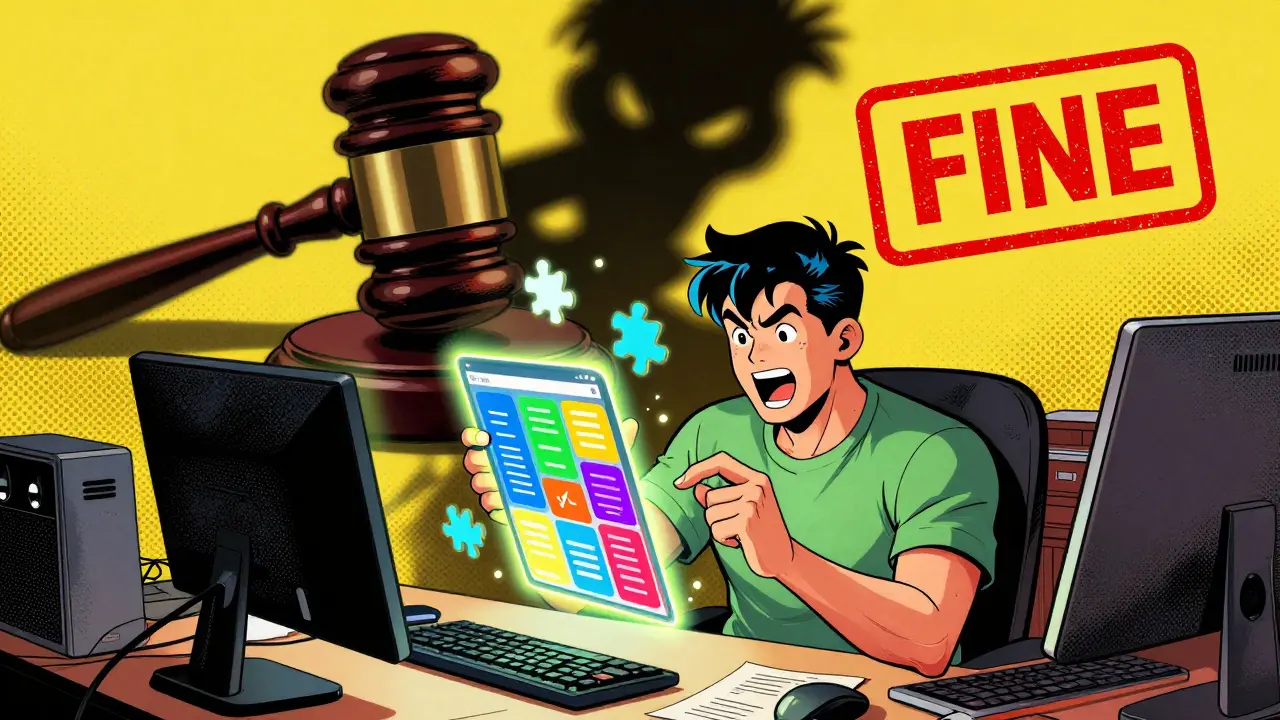
Quick Summary
- Vibe coders often overlook server-side validation and encryption, leading to critical vulnerabilities.
- Regulations like GDPR and CCPA apply regardless of the tools used to build the app.
- Common mistakes include hardcoding API keys and failing to implement "Right to be Forgotten" workflows.
- The best defense is combining platform-specific compliance templates with basic security training.
The Vibe Coder's Security Blind Spot
A vibe coder is a developer who prioritizes rapid development, aesthetics, and intuitive user interfaces over formal technical rigor and security fundamentals. They usually lean on low-code or no-code platforms to bring ideas to life quickly. The problem is that these tools often create a "false sense of security." Because the platform handles the infrastructure, many assume it also handles the privacy laws. It doesn't.
The most frequent mistake is relying solely on client-side validation. If you only check that an email address looks correct in the browser, a malicious user can bypass that check and send a script directly to your database. According to the OWASP 2024 report, over 65% of web vulnerabilities come from this exact type of improper input handling. When you build for the "vibe," you're often building for the 99% of honest users, leaving the door wide open for the 1% who want to break things.
Dangerous Habits in Rapid Development
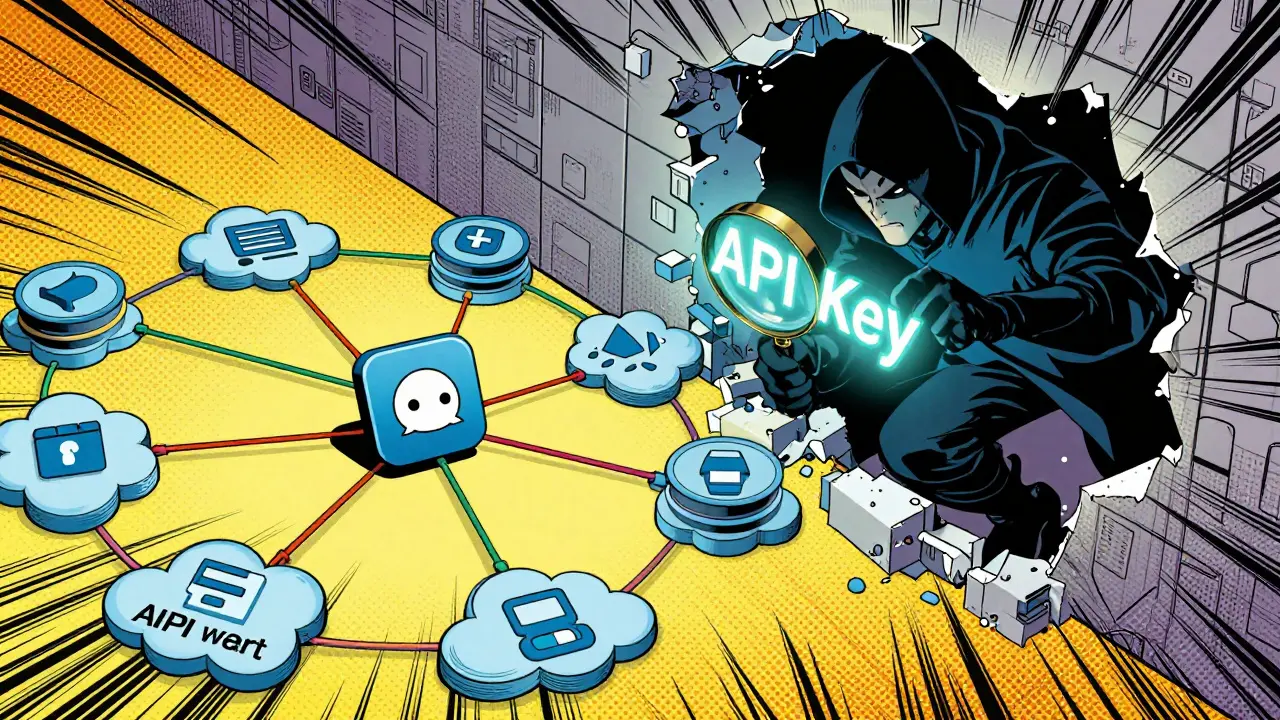
When speed is the goal, security usually becomes an afterthought. One of the most common pitfalls is "secret leakage." Vibe coders often hardcode API keys directly into their source code or platform settings. GitGuardian found these secrets in 31% of scanned GitHub repositories in 2024. If your API key for a payment gateway is sitting in plain text, anyone who finds it can potentially drain your account or steal customer data.
Then there is the issue of dependency management. Most low-code apps rely on a web of third-party plugins and libraries. You might be using a "beautiful" chart plugin that hasn't been updated in three years and contains a known security hole. Snyk reported in 2024 that 83% of applications have at least one vulnerable component. For a vibe coder, a plugin is just a feature; for a hacker, it's an entry point.
Navigating the Regulatory Minefield
Compliance isn't just about preventing hacks; it's about following the law. The GDPR (General Data Protection Regulation) requires "Privacy by Design," meaning you have to think about data protection from the first click, not as a patch you apply right before launch. Yet, a 2024 audit found that 89% of no-code apps lacked proper consent mechanisms. If your app just has a checkbox that says "I agree" without explaining exactly what happens to the data, you're likely non-compliant.
The CCPA (California Consumer Privacy Act) introduces the "right to be forgotten." This is a nightmare for vibe coders. If a user asks you to delete all their data, can you actually find it? Many low-code apps scatter data across Airtable bases, Google Sheets, and internal platform databases. Without a clear data map, you can't prove you've deleted everything, which puts you in the crosshairs of regulators.
| Feature | Vibe Coder Approach | Pro Dev Approach | Compliance Risk |
|---|---|---|---|
| Access Control | Simple shared links/passwords | Role-Based Access Control (RBAC) | High (Unauthorized data access) |
| Data Storage | Plain text in cloud sheets | AES-256 Encryption at rest | Critical (Data breach liability) |
| Validation | Browser-side only | Strict server-side validation | High (SQL Injection/XSS) |
| Consent | Implicit or generic checkbox | Granular, audited consent logs | Medium (GDPR fines) |
The High Cost of "Just Winging It"
Some might think, "I'm just a small business, who's going to sue me?" The reality is that automated scanners make it easy for regulators and bad actors to find gaps. IBM's 2023 report noted that the average cost of a data breach is now $4.45 million. For a small studio or a solo-preneur, a single breach is often a business-ending event.
In the healthcare sector, the risks are even higher. A 2024 audit by the HHS Office for Civil Rights found that 63% of no-code healthcare apps violated HIPAA requirements. Using a no-code tool to track patient appointments might seem efficient, but if that tool isn't HIPAA-compliant and doesn't have a Business Associate Agreement (BAA), you're risking massive federal fines.
How to Fix the Vibe: A Practical Path to Compliance
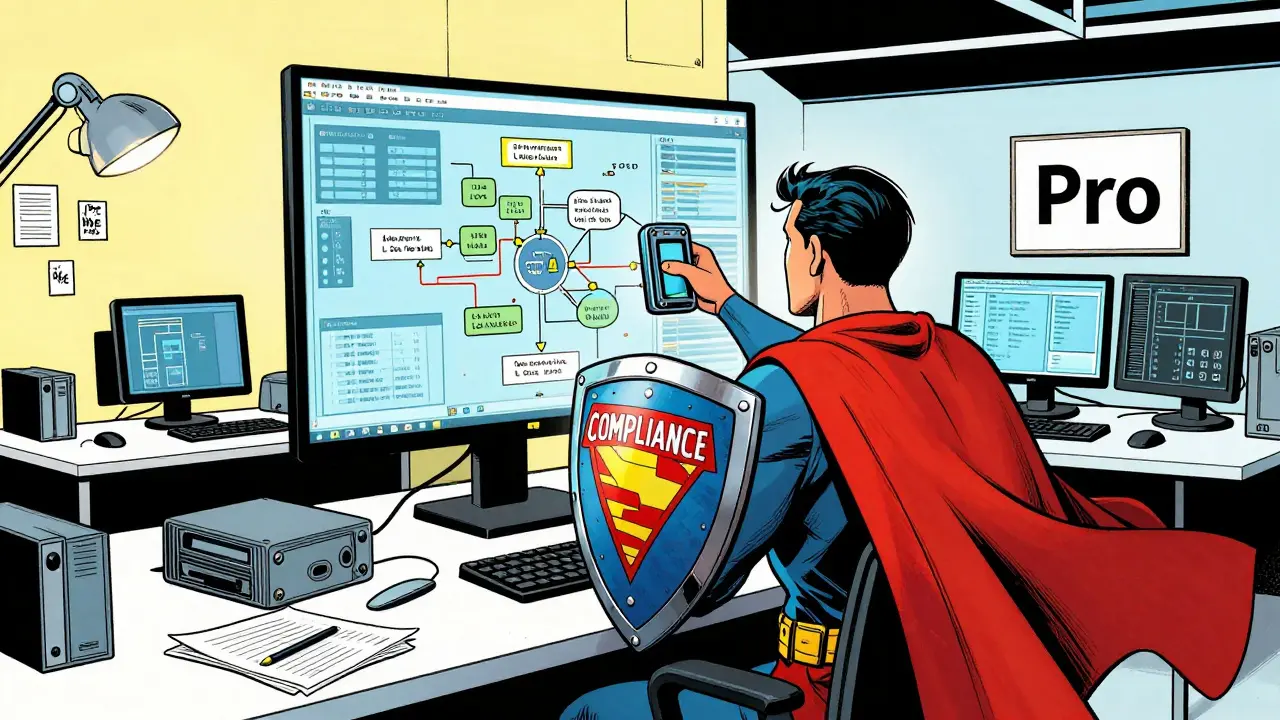
You don't need a computer science degree to build a secure app, but you do need a system. Start by using data privacy templates. Platforms like Mendix offer GDPR templates that can slash the time it takes to implement legal requirements from hundreds of hours to just a few dozen. These templates act as guardrails, ensuring you don't forget the basics like data minimization (only collecting what you actually need).
Next, implement a basic security checklist. Stop hardcoding keys and start using environment variables or a dedicated secret manager. Before you go live, run your app through a basic vulnerability scanner. If you're using a tool like Bubble or Glide, spend an hour in their documentation specifically searching for "security roles" and "privacy rules." Most platforms have these features, but they aren't always turned on by default.
Finally, embrace the concept of data mapping. Create a simple document that lists every place your user data lives. If you're using an Airtable base that feeds into a Zapier automation which then hits a Google Sheet, write that down. This is the only way to realistically handle a "right to be forgotten" request without guessing.
Does GDPR apply if I'm using a no-code platform?
Yes. GDPR applies based on whose data you are collecting and where they live, not based on how the software was built. If you have users in the EU, you are responsible for their data privacy regardless of whether you used a professional agency or a drag-and-drop builder.
What is the easiest way to handle user consent?
Avoid generic "I agree to terms" boxes. Use a consent management platform or a granular checklist where users can opt-in to specific things (e.g., marketing emails vs. account notifications). Keep a timestamped log of when the user agreed to these terms.
How do I stop hardcoding API keys?
Most platforms have a "Secrets" or "Environment Variables" section in their settings. Put your keys there instead of directly in your logic blocks. This prevents the keys from appearing in logs or being exposed if you share your project with a collaborator.
What is 'Data Minimization' and why does it matter?
Data minimization is the practice of only collecting the data you absolutely need for the app to work. If you don't need a user's birthdate to provide your service, don't ask for it. The less data you hold, the less you have to protect and the lower your liability in a breach.
Is encryption always necessary for small apps?
If you're storing sensitive info (emails, addresses, health data), encryption at rest is a standard requirement. While some platforms provide basic encryption, you should verify that they use industry standards like AES-256 and that you aren't accidentally exposing that data through a public-facing API endpoint.
Next Steps for Different Builders
If you're a **solo hobbyist**, your priority should be a simple data map and a clear privacy policy. Don't overcomplicate it, but be honest about where data goes.
If you're a **business owner using a vibe coder**, you need to mandate a security review. Ask them for a list of all third-party plugins used and a demonstration of how a user can request their data be deleted.
If you're a **developer transitioning from vibes to pros**, start by reading the OWASP Secure Coding Practices Quick Reference Guide. It's designed to fill the gaps for those who lack formal training but want to build enterprise-grade security.

5 Comments
Morgan ODonnell
Fair points, just feels a bit harsh on the beginners. Most people are just trying to get a small idea off the ground without spending a fortune on a dev team.
Meghan O'Connor
Maybe if you spent less time being "empathetic" and more time reading the actual documentation, you'd realize how dangerous this laziness is. Also, "fair points" is a fragment, not a sentence. Learn to write properly before trying to defend people who can't even secure a simple database.
Liam Hesmondhalgh
Absolute joke of a post. The spelling is barely acceptable and the phrasing is clunky. Why are we talking about California's CCPA anyway? We should be focusing on how these no-code tools are just American imports designed to suck data out of our country and feed it into some valley server. Total rubbish.
Colby Havard
One must contemplate the inherent paradox of the modern age: we seek the liberation of creation through tools that simplify the process, yet this very simplification leads to a moral vacuum regarding the stewardship of human data!!! The "vibe coder" is a symptom of a society that values the ephemeral image over the enduring truth of security... It is not merely a technical failure, but a spiritual one, where the desire for speed eclipses the duty of care!!! We must ask ourselves what it means to be a creator in an era of automated negligence!!! The pursuit of aesthetics without ethics is a road to ruin!!! True craftsmanship requires a disciplined adherence to the unseen laws of the machine, for when we ignore the foundation, the entire edifice of trust collapses upon the innocent user!!!
Patrick Bass
Just a quick note: the mention of "solo-preneur" is a bit non-standard, but I get the gist.